
Colombia’s far-right president Abelardo de la Espriella wants to reduce international oversight of the 2016 peace agreement by transferring verification of rural reform programmes, which form one of the fundamental components of the peace process, from the United Nations to his government.
In a meeting of the UN Security Council, foreign minister Omar Bula requested that the UN Mission in Colombia exclude rural reform from its observational mandate and switch oversight to state institutions. If successful, this not only could delay implementation of the agreement but undermine its core objectives entirely. Rural reform is a central pillar of peacebuilding, as made clear by its position as Point One in the six-chapter agreement. Furthermore, it is in rural reform that other aspects of the agreement come together, with security, crop substitution and reintegration of former guerrillas all connected to land access, economic stimulation and infrastructural development in designated regions.
Bula claimed that rural reform has ‘a distinct nature’ that the government believes makes it part of the normal permanent responsibilities of the Colombian state. However, critics believe the government simply seeks more leeway to avoid carrying out the terms of the agreement and wants to put the brakes on any further agrarian reform. Although Bula said the government will implement the peace agreement, he argued that the UN Mission should focus primarily on the reincorporation and security of 13,500 former FARC members. The latest UN Mission report found that 501 signatories have been killed since 2017, with cases rising sharply since De la Espriella took office after a decline under Gustavo Petro’s predecessor government.
De la Espriella has been hostile to the agreement since its inception, including campaigning against it in the 2016 national plebiscite. More recently, he has called transitional justice a ‘system of impunity’ and, in violation of the agreement, threatened to imprison former guerrilla leaders. His government’s budget for 2027 has severely cut funding for the JEP transitional justice court and other institutions of peace. If jurisdiction over rural reform were to be withdrawn, the Mission would have a significantly reduced role from that which it performed from its opening in 2017 until last year. Overall, it is hard not to agree with former president Juan Manuel Santos’s view that the government’s actions are ‘incoherent’ with a genuine intention to implement the peace agreement in full.
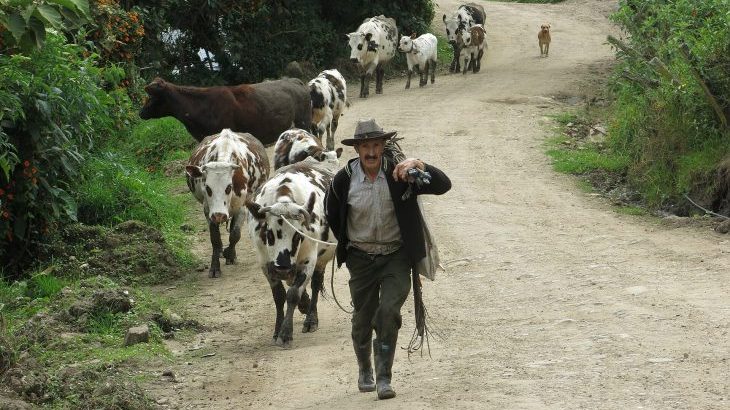
The chapter on rural reform provides for land distribution and technical and financial support for campesino communities, stimulation of rural economies, infrastructural development and formalisation of land. The peace agreement identifies these as critical areas for tackling the root causes of conflict, which largely took place in the countryside. These rural development programmes, known as PDETs, target municipalities badly affected by state abandonment and conflict. Petro significantly advanced land formalisation and land distribution following major delays under previous governments, handing over more than 800,000 hectares of land to rural communities.
The government’s request requires a vote by the 15 members of the UN Security Council. Regardless of whether it is approved, it demonstrates De la Espriella’s intentions to reduce the international role in the peace process. This could have important repercussions: during the 2018-22 government of Iván Duque, who was hostile to the agreement, international support helped solidify the peace process and block Duque’s efforts to make unilateral changes to the JEP and other areas. A Security Council vote on the continued role of the UN Mission in Colombia is scheduled for 30 October.
Progressive opponents of De la Espriella’s government believe the request is an attempt to benefit powerful economic groups whose interests are challenged by redistribution of land. This includes land acquired through violent forced displacement of millions of people from their homes during the conflict. The vast majority have been unable to return, despite a 2011 victims’ law intended to address this. However, with most rural communities lacking formal title to plots their families inhabited for generations, it is almost impossible for many victims to demonstrate legal entitlement to land.
Colombia has among the world’s highest levels of land concentration, with one per cent of landowners holding over 80 per cent of agricultural land, while 81 per cent of small farmers hold just five per cent of land. This has resulted in lucrative profits for the elite, while campesino communities struggle to survive. De la Espriella appears keen to preserve this status quo, providing further evidence that his government will serve the interests of Colombia’s most powerful groups.